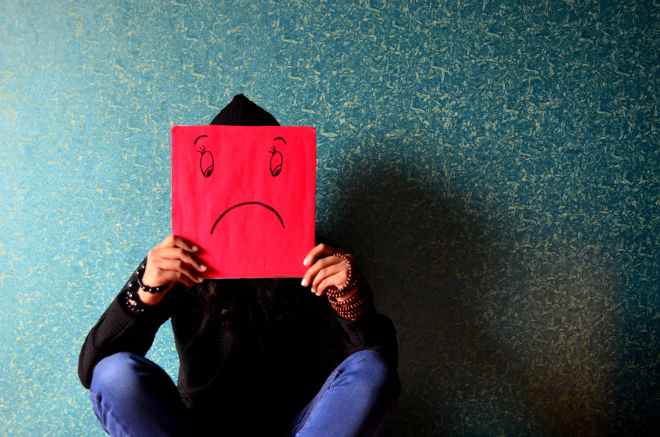
What is Depression?
What is depression and what does it feel like? I remember when I was going through this last year and people asked me ‘what is it?’ ‘How can you even feel like that, I don’t understand?’ ‘What’s caused it and why?’ The reality of it is that it’s not something you can easily talk about and pin point what it is exactly that is going on in your mind, because in actual fact we have no idea ourselves. It can affect anyone and everyone, even the ones who seem like they’re doing just fine. I think it’s hard for people to understand because people assume you’re okay and that you have everything so why do you feel like this? Truth is, people with depression can mask how they feel therefore it’s not noticeable. They mask it by laughing and making jokes when inside they’re completely numb, dead, sad and scared.
Depression feels like you don’t want to exist in a nutshell but the emotions and thoughts play a vital role in how you feel. It’s a feeling of not finding an end to the pain so thoughts of suicide start circling. These uninvited thoughts you have to fight everyday, they’re like demons that keep coming back for more which then leave you exhausted, frustrated, agitated, angry and sad. It’s like drowning except you can see everyone around you breathing. It’s not something you can just snap out of by a click of your fingers and it most definitely doesn’t make you weak. In fact in my opinion, it makes you a strong person for having to deal with such vast emotions. It’s real, it’s hard and it’s exhausting.
Depression affects one in 10 people at some point during their life. It’s a common mental illness that affects how you think, feel and act. It’s a feeling of overwhelming sadness and having little to no interest in anything and can take a toll on a person’s physical well being if it gets serious. There are a few symptoms of depression, which can differ from each person depending on the severity of the illness.
- Thinking of death or suicide
- Feeling sad and depressed
- Having little to no interest in activities that you once enjoyed
- Loss of appetite
- Feeling worthless or guilty
- Feeling unloved and hating the way you look
- Talking slowly
- Not being able to concentrate or think straight
- Feeling lethargic
- Sleeping too less or too much
- Thinking you’re not enough
- Anxiety
Different Types of Depression
There are different types of depression such as major depression, postnatal depression, bipolar disorder and seasonal affective disorder (SAD).
Major Depression
This is where a dark mood overtakes and a person loses interest in activities, even ones that are usually enjoyable. Symptoms of this depression include trouble sleeping, changes in appetite or weight, loss of energy, and feeling insignificant. Thoughts of death or suicide may also occur. It’s usually treated with psychotherapy and medication. For some people with severe depression that doesn’t improve with psychotherapy or antidepressants, electroconvulsive therapy may be used.
SAD (Seasonal Affective Disorder)
SAD is linked with winter and can last until spring. The milder version of this depression can also be called the winter blues. Seasonal Affective Disorder can make you feel anxious, stressed and depressed.
Post-natal
Some new mums may experience ‘baby blues’ a few days after birth. This means they might feel anxious, lack in confidence, which can be very frustrating but in most cases may last a few weeks. However post-natal depression is more intense and lasts longer. As they are new mothers, it can leave them feeling overwhelmed, not enough and not being able to cope. Problems when sleeping may occur, panic attacks or a strong fear of dying. Some mothers may feel negative feelings towards their child. This usually happens 2/3 weeks after giving birth.
Bipolar Disorder
Bipolar disorder deals with mood swings that can be extreme. People who have this disorder can have highs where they feel very ecstatic and indestructible to then feeling low where they can face extreme despair, tiredness and suicidal feelings. Sometimes people have very severe symptoms where they can’t make sense of their world and do things that seem peculiar or irrational.
There are a number of things that can cause depression but it solely depends on the individuals themselves. It could be genetic, childhood traumas or any trauma for that matter, biochemistry (differences in the chemicals of the brain), personality so having low self esteem and people who are easily stressed. The environment can play a factor too so it could be a history of abuse, neglect or financial problems that could lead to depression. For some women it can happen after giving birth. Other things that can play a role in having depression are the death of a loved one or even losing a job.
Depression and suicide are heavily linked and there are warning signs that someone may be thinking of suicide. If you feel or see anyone say or feel like this, contact a professional for help.
- Self harm
- Writing suicide notes
- Talking about death or suicide
- Giving away their things or saying final goodbyes
I have attached a link below for all the necessary helplines if anyone is struggling to cope. REMEMBER- you are not alone.
https://www.itv.com/thismorning/suicide-prevention-helplines
Most people will go through a sad time or feeling down and it won’t last as long as depression. Depression is different and it lasts longer than a few days. It can be weeks, months or even years if left untreated. It’s the frequent low moods, feeling helpless, useless and just down in the dumps. Many people who have depression also have symptoms of anxiety. Anxiety and depression link together as they are based on fear, although anxiety has triggers that set a person off whereas depression is almost constant.
Depression can be treated and this can be done through many different kinds of therapies as well as simple life style changes. Therapies such as counselling, CBT (cognitive behavioural therapy) mindfulness, counselling, psychodynamic psychotherapy, interpersonal therapy, brain stimulation and antidepressants can help. Not everyone needs antidepressants and the path you choose to take will depend on the severity of your depression, so it will vary from person to person.
Life style changes can help your depression like exercise, it will release endorphins that make you feel better and will help with your self-esteem and confidence. Taking out all the bad things for your body such as alcohol, smoking and generally eating a healthy diet can help too. Meditation has also been said to help calm a person’s mind and in doing so, will ease a person’s mind and bring in positive vibes.
Depression is more than feeling upset or sad for a few days but with the right help and support, it is possible to pull through. The changes won’t happen over night but the very first step you take, are the very first steps to getting better. Never feel like you are alone. People are here to help you.
 Let's Talk About Mental Health